

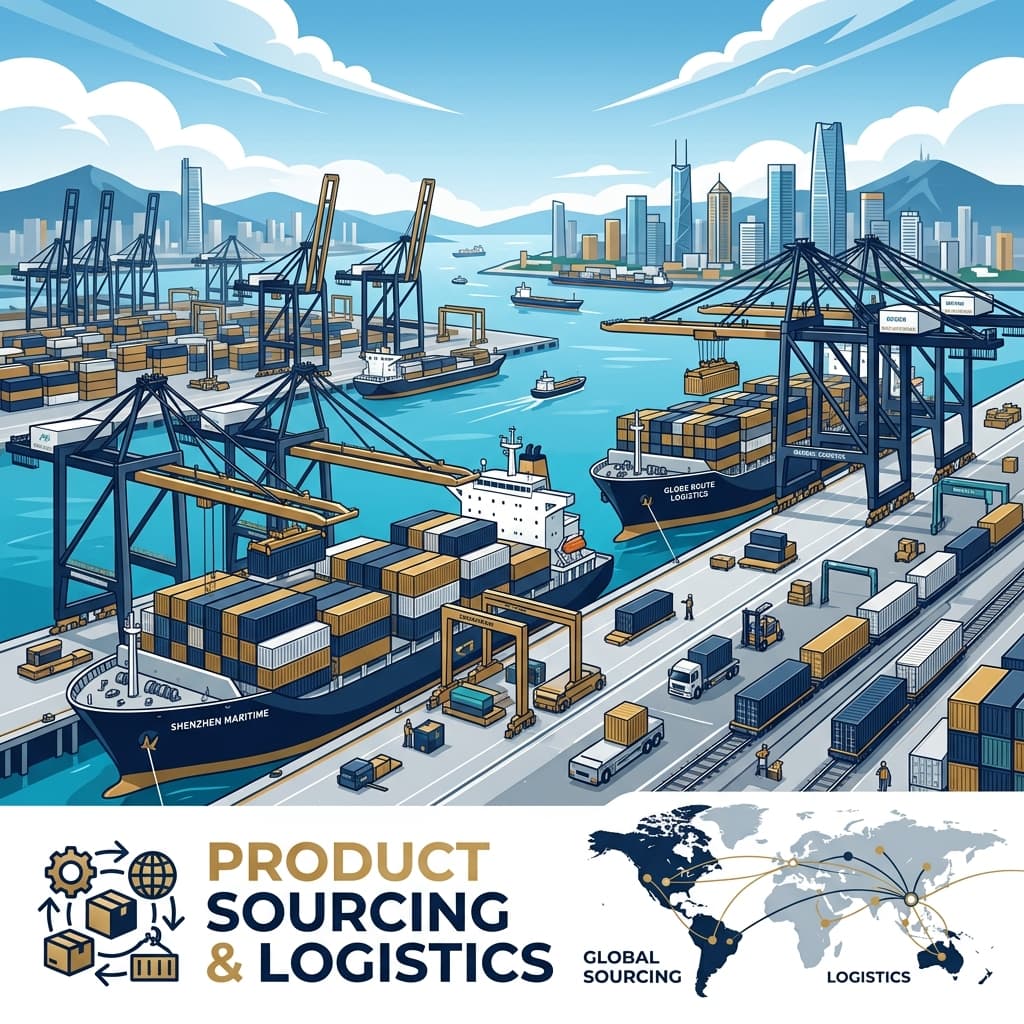
The Vulnerability of Single-Source Hardware Supply Chains
Modern supply chains are highly integrated, but they are also incredibly fragile. Over-reliance on a single Tier-1 manufacturer in hubs like Shenzhen, Dongguan, or Ningbo is a major operational risk. Quality drift—where initial high-quality runs slowly degrade over time—and logistics bottlenecks can interrupt your global supply lines. To survive, international firms must move away from blind trust and establish active, bicultural auditing frameworks.
1. The Tooling Trap: Securing Molds and Equipment
Many hardware brands find themselves held hostage by their supplier because the custom molds, stamp tools, and PCB casting plates are physically located in the Chinese supplier's factory. If a dispute arises over price increases or quality failures, the supplier may refuse to release the molds.
- Contractual Tooling Ownership: Ensure your contracts explicitly state your ownership of all physical tooling molds.
- Physical Verification: Your local team or representative should audit the factory floor regularly and stamp your corporate identification onto the molds.
- Exit Logistics: Work with logistics partners to ensure you can physically retrieve your custom tooling within 48 hours if necessary.
2. Setting Up Tier-2 Redundancy
A dual-sourcing model is the gold standard of supply chain management. By splitting production (e.g., 70% with your primary supplier and 30% with a secondary supplier), you create healthy competition and a ready-to-run backup line.
- Target Vetting: Identify potential tier-2 factories in distinct cities (e.g., if Tier-1 is in Shenzhen, place Tier-2 in Ningbo or Hefei) to mitigate localized shutdowns.
- Airtight NNN Contracts: Protect your schematics and proprietary designs before sharing them with secondary candidates.
- Sample Run Validation: Validate secondary suppliers with regular sample runs to verify compliance with CE, FCC, or medical standards.
The Audit Checklist for Guangdong Factories
Do not rely on emailed ISO certificates. A real audit must be performed physically by bilingual inspectors on-site. The inspector must check: raw material incoming quality controls, real-time welding/molding calibration logs, employee working conditions, local environmental compliance documents, and the physical safety of your company's tooling storage area.